The Surprising Link Between Your Jaw and Your Pelvic Floor
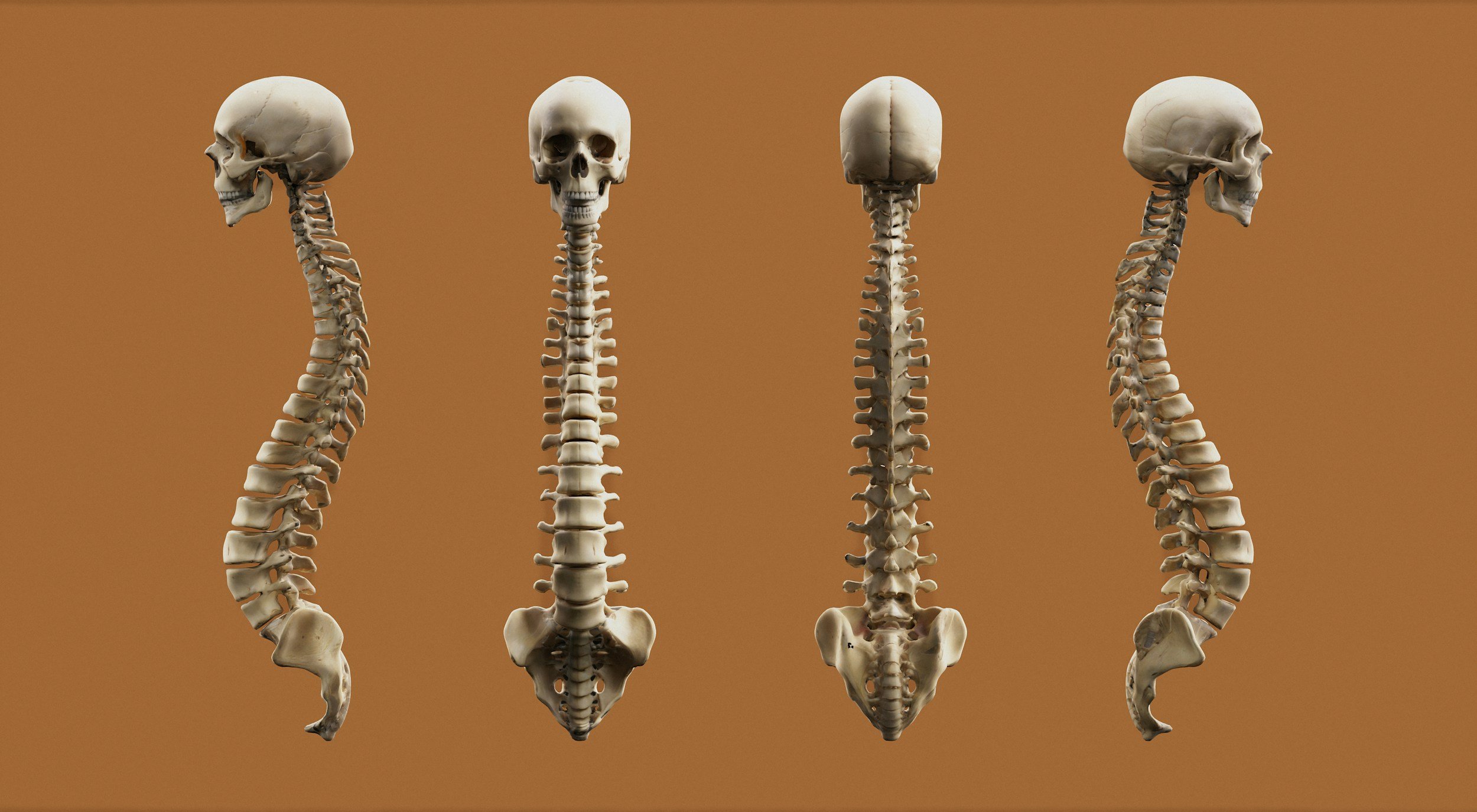
It sounds like an unlikely pairing: the jaw and the pelvic floor. But in clinical practice, it's actually quite common to see the two show up together. Someone with chronic jaw clenching may also be dealing with pelvic tension, or someone in pelvic floor therapy who mentions, almost as an afterthought, that they grind their teeth at night or wake up with tightness in their jaw. This isn't a coincidence. It all comes down to how the nervous system manages tension throughout the body. Also, the jaw and the pelvic floor are connected to the top and bottom of the spine, where the spinal cord (part of the central nervous system) passes in proximity.
If you’ve ever taken a birth class or birthed a human, you may be very aware that when you open your mouth, nice and long, or make “AH” sounds instead of “E” sounds, it helps to relax your jaw and pelvic floor simultaneously. If you haven’t, go ahead and try it out. See how it feels for yourself!
Two Muscle Groups, One Nervous System Pattern
The jaw and the pelvic floor don't share direct anatomical connections, but they share something more important. Both are common sites where the body holds tension when the autonomic nervous system is stuck in a heightened, protective state.
The autonomic nervous system has two main branches:
Sympathetic (fight or flight): the alert, on-guard state
Parasympathetic (rest, digest, and sex): the calm, cool, and collected recovery state
When someone lives with chronic stress, unresolved trauma, or ongoing pain, the body can get stuck favoring the sympathetic (fight or flight) branch. Muscles throughout the body, especially ones tied to protection and bracing, or fighting and fleeing, stay chronically contracted, even at rest. The body is always prepared for the stress, but it wears the body down over time as we are not meant to stay in this state for extended periods.
Why the Jaw and Pelvic Floor Specifically
Both the jaw and the pelvic floor are groups of muscles that:
Are rarely under conscious control: Most people don't think about relaxing their jaw or pelvic floor the way they might consciously relax their arm or leg muscles.
Are closely tied to emotional and protective responses (clenching the jaw when frustrated, tightening the pelvic floor when anxious or bracing for pain).
Sit at the midline of the body and are involved in core postural and breathing patterns.
Tend to tighten reflexively during stress, most often without you even noticing.
Because both areas are influenced by the same underlying nervous system state, it's common for tension to show up in both places simultaneously.
The Breathing Connection
Breathing patterns tie these two areas together even further. The diaphragm, deep core muscles, and pelvic floor work together as a functional unit during breathing. I call this deep core coordination. Shallow, chest-based breathing, which is common during chronic stress, can disrupt this coordination. This can lead to pelvic floor muscle tension. Jaw clenching frequently accompanies this same shallow breathing pattern, particularly during sleep, periods of concentration, stress, in perimenopause/menopause, and the week leading up to your period when estrogen and progesterone are low.
What This Means for Treatment
Recognizing this connection matters because treating one area in isolation misses the big picture. Someone with chronic pelvic pain who also grinds their teeth at night, or someone with jaw pain who also notices pelvic floor tightness, showing up as bladder leaking, urgency, or even constipation, would benefit from a holistic approach. This type of treatment approach considers the whole person and entire nervous system, not just the local group of muscles.
A holistic treatment approach can include:
Dry needling to the head, face, neck, shoulders, and pelvic floor to reduce muscle tension.
Diaphragmatic breathing retraining to support better coordination between the jaw, core, and pelvic floor.
Nervous system regulation strategies aimed at shifting the body out of a chronic stress state, into a more relaxed resting state.
Addressing all areas as part of one connected treatment plan, rather than treating them as isolated, unrelated issues.
Frequently Asked Questions
If I have pelvic floor tension, does that mean I definitely have TMJ issues too? Not necessarily. But it's common enough that it's worth mentioning to your provider if you notice tension in both areas.
Can working on my jaw actually help my pelvic floor symptoms, or vice versa? For some people, yes. Because both areas respond to the same nervous system state, addressing overall regulation and treating both areas can support progress in each.
Is this connection backed by research? The connection between chronic stress, the autonomic nervous system, and widespread muscle tension is well established. Research specifically linking TMJ and pelvic floor dysfunction is still an emerging area, though the clinical pattern is frequently observed. And your experience matters more than what the research says. If there is a connection for you, then that’s enough data.
What questions do you have?
This article is for general educational purposes and isn't a substitute for individualized medical advice. If you're noticing tension patterns in multiple areas of your body, talk with a qualified provider about a coordinated treatment approach.
Curious how these patterns might be connected for you? Book a free consultation with Dr. Kenael to discuss what tension pattern you may be holding to.