Dry Needling for Headaches and TMJ Pain
If you deal with recurring headaches, jaw tightness, or a clicking, aching jaw, the source of the problem may not be where you feel it. Headaches and TMJ (temporomandibular joint) dysfunction are frequently driven by tight, overactive muscles in the jaw, neck, and upper shoulders. Dry needling can be used to address that.
How Muscle Tension Leads to Headaches and Jaw Pain
The muscles of the jaw, neck, and scalp are closely connected. When muscles like the masseter (jaw), temporalis (side of the head), suboccipitals (base of the skull), and upper trapezius (back of the shoulder) become chronically tight— often from clenching, grinding, poor posture, or stress— they can refer pain into the head, temples, behind the eyes, or through the jaw itself.
This is why someone with jaw tightness might primarily notice headaches, and someone with neck tension might notice jaw pain. The muscles don't operate in isolation; everything is connected!
What TMJ Dysfunction Can Look Like
TMJ dysfunction doesn't always show up as obvious jaw pain. Common signs include:
Jaw clicking, popping, or locking
Tension headaches, especially at the temples
Pain or tightness when chewing or yawning
Ear fullness or ringing without a hearing-related cause
Neck and shoulder tension that seems connected to jaw tightness
Stiffness in the jaw upon waking up in the morning due to clenching
How Dry Needling Helps
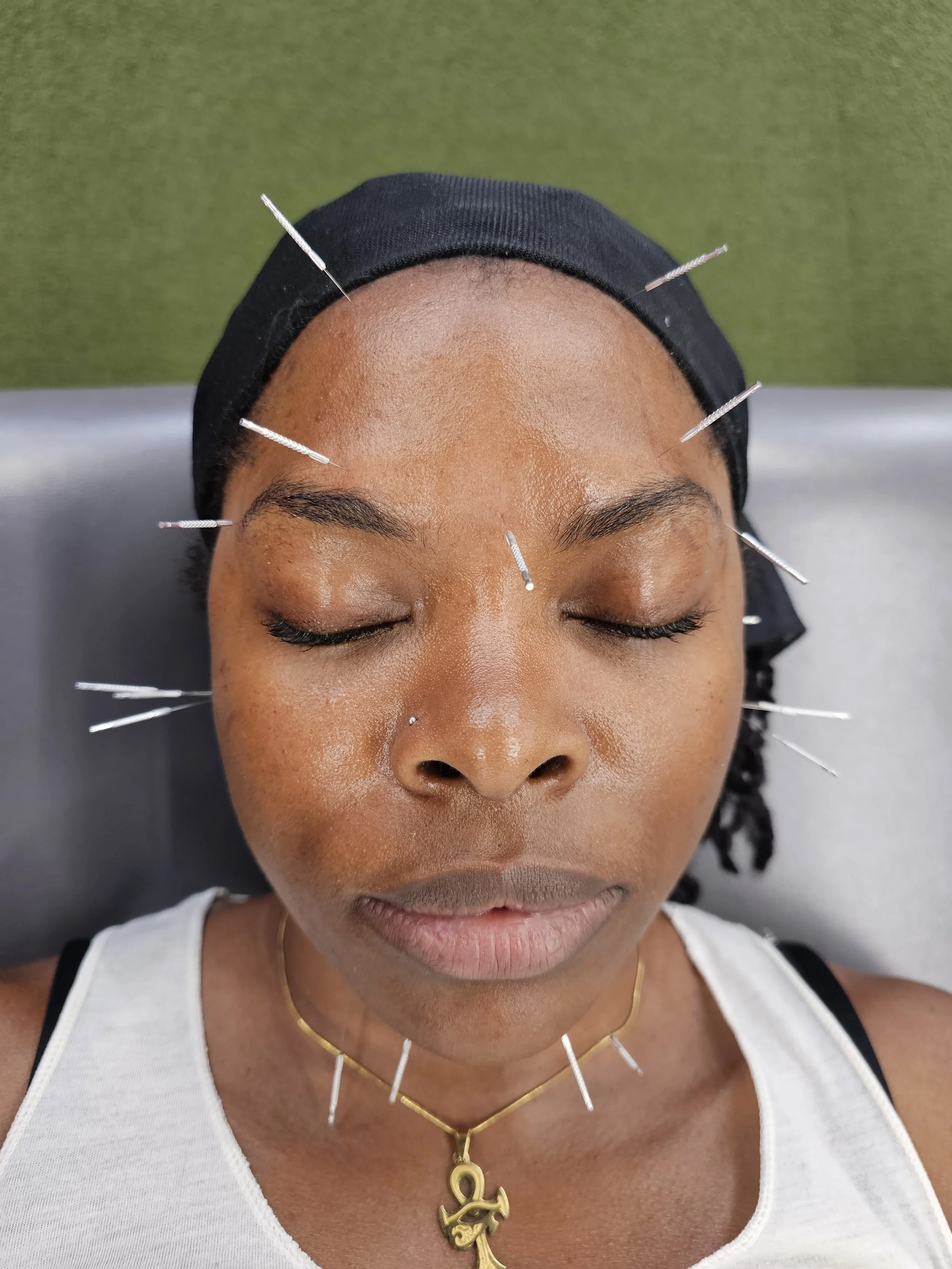
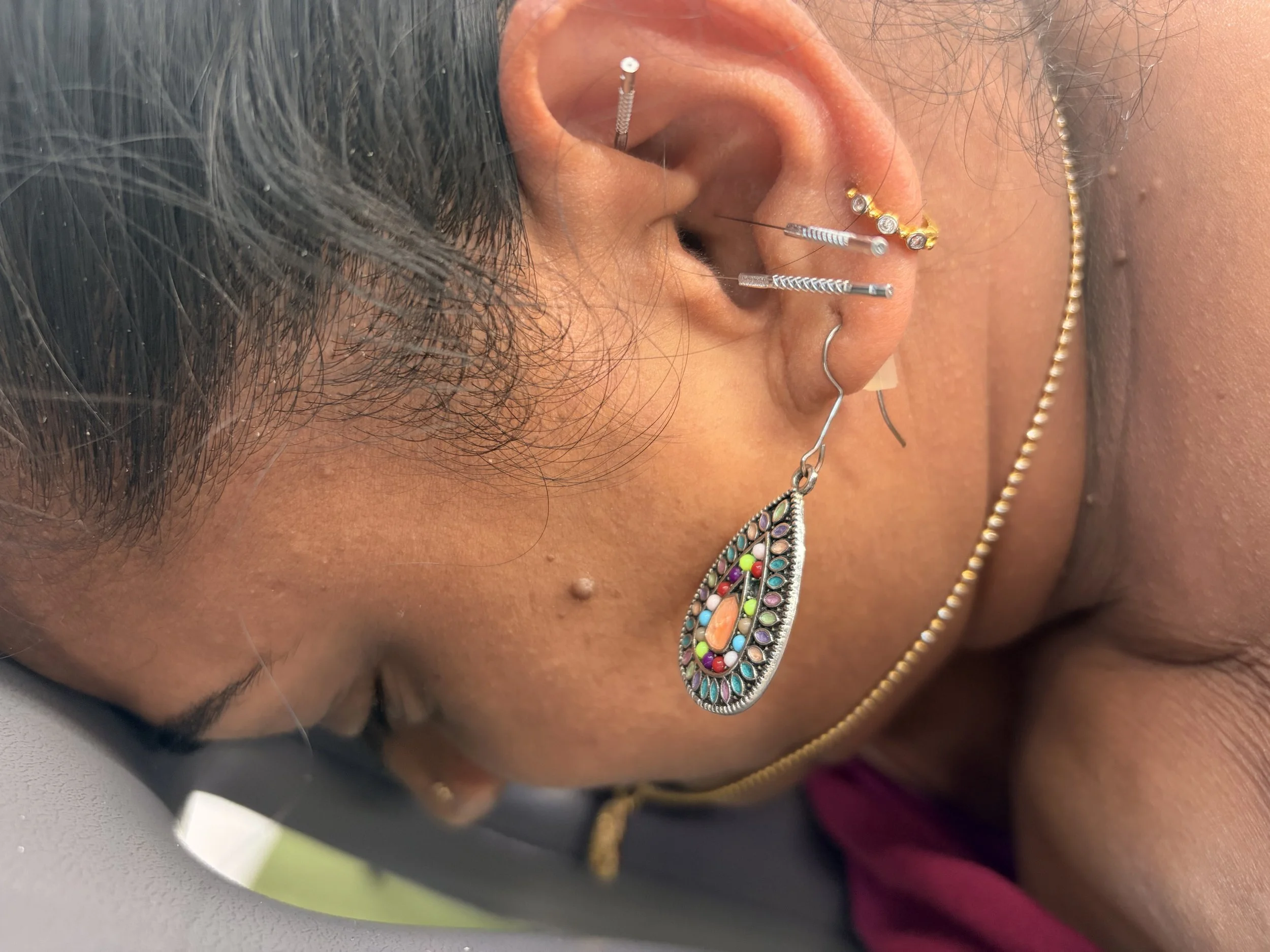
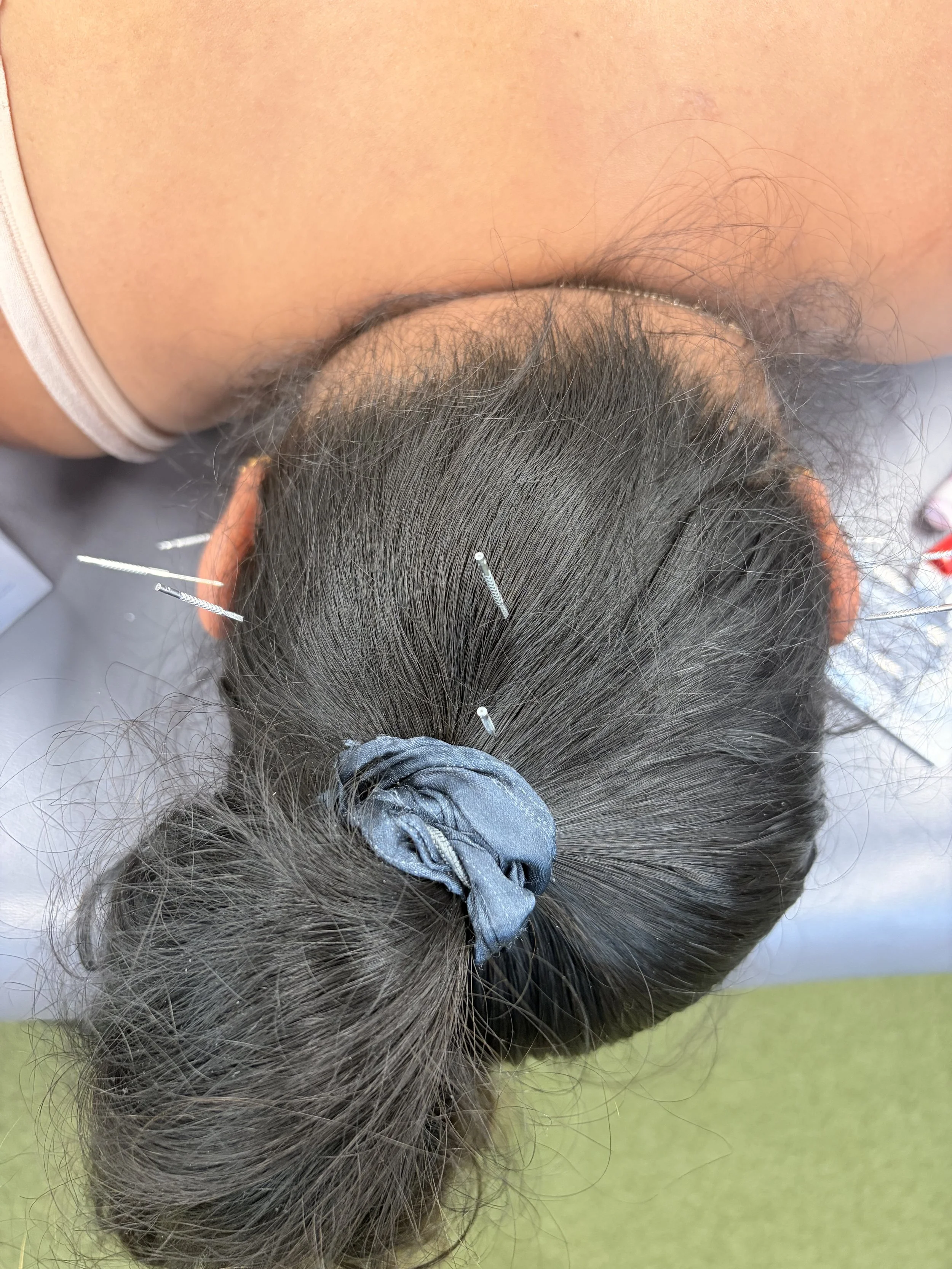
Dry needling can be used directly on the muscles involved in jaw clenching and headache patterns. These muscles are primarily in the head, neck, face, scalp, shoulders, and even along the spine. By releasing tight, overactive muscle fibers and reducing trigger points, dry needling may help to:
Reduce the frequency or intensity of tension-type headaches
Ease jaw tightness and improve range of motion
Calm chronically overactive chewing muscles
Support better head and neck posture, which often contributes to the pattern in the first place
Because jaw and head muscles are smaller and more sensitive than larger muscle groups like in the legs, providers typically use a gentler technique and smaller needles in this area.
What to Expect
Some mild soreness in the jaw or scalp after treatment is common, similar to other dry needling sites. Many people notice improved jaw movement and reduced tension fairly quickly, though headache patterns that have been present for years may take a longer course of treatment to improve outcomes.
Because the needles used are generally smaller, this treatment is easily tolerated.
Combining Dry Needling With Other Care
Dry needling for headaches and TMJ tends to work best alongside other modalities and treatments including:
Postural and ergonomic adjustments
Jaw-specific stretches and relaxation exercises
Stress management, since clenching and grinding are often stress-driven
Addressing contributing factors like sleep position or nighttime grinding
Recommendation for a fitting for a nightguard
Other physical therapy treatments
Frequently Asked Questions
Can dry needling help with migraines, not just tension headaches? Dry needling primarily targets muscle-related (tension-type) headache patterns. Migraines have a different underlying mechanism, though some people with migraines also have a muscular component that dry needling may help address as part of a broader plan.
Is dry needling safe near the jaw and face? Yes, when performed by a trained provider using appropriate technique for these smaller, more sensitive muscles.
How soon will I notice a difference in my headaches? This varies. Some people notice reduced tension within a few sessions; longstanding patterns often need a more extended treatment and a comprehensive, integrative approach with other modalities.
What questions do you have?
This article is for general educational purposes and isn't a substitute for individualized medical advice. If you're experiencing frequent or severe headaches, or jaw pain that affects eating or speaking, talk with a qualified provider.
Dealing with headaches or jaw tension that lingers? Book a free consultation with Dr. Kenael Segalto see if dry needling is right for you.