Can Dry Needling Help Regulate Your Nervous System?
Pain and stress aren't just in your head or the muscles; they're deeply tied to the nervous system. When someone is stuck in a chronic stress state, their muscles often stay tense, their breathing pattern changes, and their body has a harder time relaxing, even at rest. Dry needling is increasingly used not just for muscle pain, but as a tool that may support the nervous system in shifting out of that pattern.
Understanding the Nervous System's Role in Pain and Tension
Your autonomic nervous system (ANS) has two main modes:
Sympathetic ("fight or flight"): Your body's alert state when muscles tense, heart rate increases, blood moves away from your trunk towards the extremities, and breathing shortens in preparation for fighting or running from danger.
Parasympathetic ("rest and digest"): Your body's recovery state when muscles relax, digestion occurs, and healing is prioritized. Sex and arousal happen during this state as well.
Everyday life, stress, injury, or prolonged pain tends to leave most of us stuck in a sympathetic-dominant state, where the body struggles to fully shift into rest and recovery, even when there's no immediate threat. For example, your body can feel threatened when a car accident on the way to work causes you to be late for a work meeting. The stern talk from your boss after the meeting can put you over the edge, resulting in your threat response being active all day long. The threat shows up in your body as muscle tension, poor sleep, fatigue, digestive problems, anxiety, or pain that doesn't seem to have an obvious mechanical cause.

How Dry Needling May Support Nervous System Regulation
Dry needling works directly on the neuromuscular system, the connection between nerves and muscles. When a needle is inserted into a muscle, it can:
Provide sensory input that can help down-regulate an overactive nervous system response
Release chronic muscular guarding tied to the sympathetic, stress state
Support a shift toward the parasympathetic state during and after treatment
Help interrupt the pain-tension-stress feedback loop
There’s an entire soup of chemicals and molecules that is produced in the body during and after dry needling. Many people report feeling noticeably calmer, looser, or even a little sleepy after a session, which lines up with a shift toward a more regulated nervous system state. I will admit that my acupuncture treatment is often tracked as my best naps while the post-acupuncture calm leaves me feeling drunk with relaxation. It’s all because of this soup of chemicals!
Who This May Help
This approach can be particularly appropriate for people dealing with:
Chronic muscle tension tied to stress or anxiety
Tension headaches
Jaw clenching or TMJ tightness
Sleep difficulties related to physical tension
A general sense of being "wound up" or unable to relax
Perimenopause/menopause (due to decrase in stress tolerance)
What to Expect
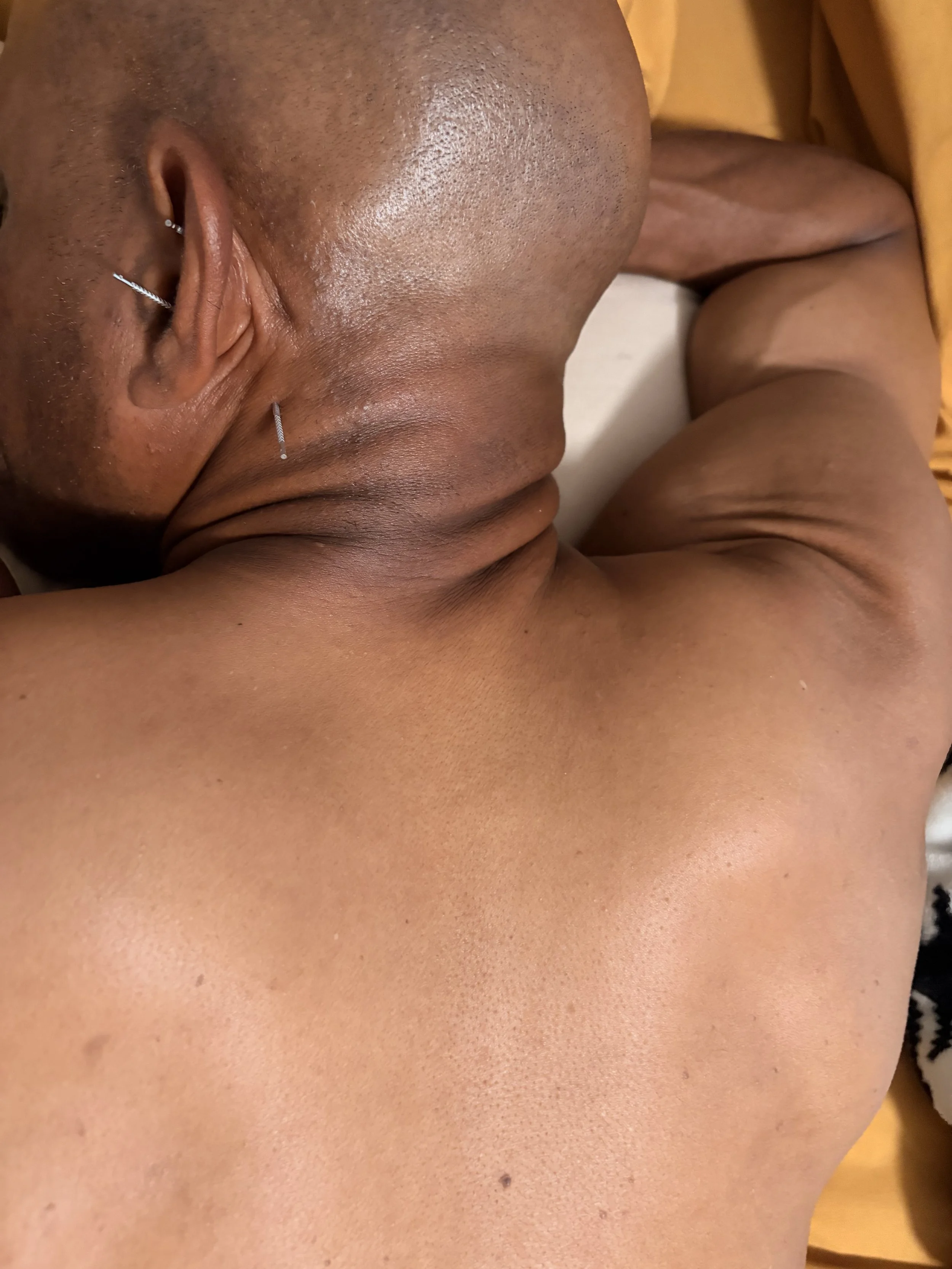
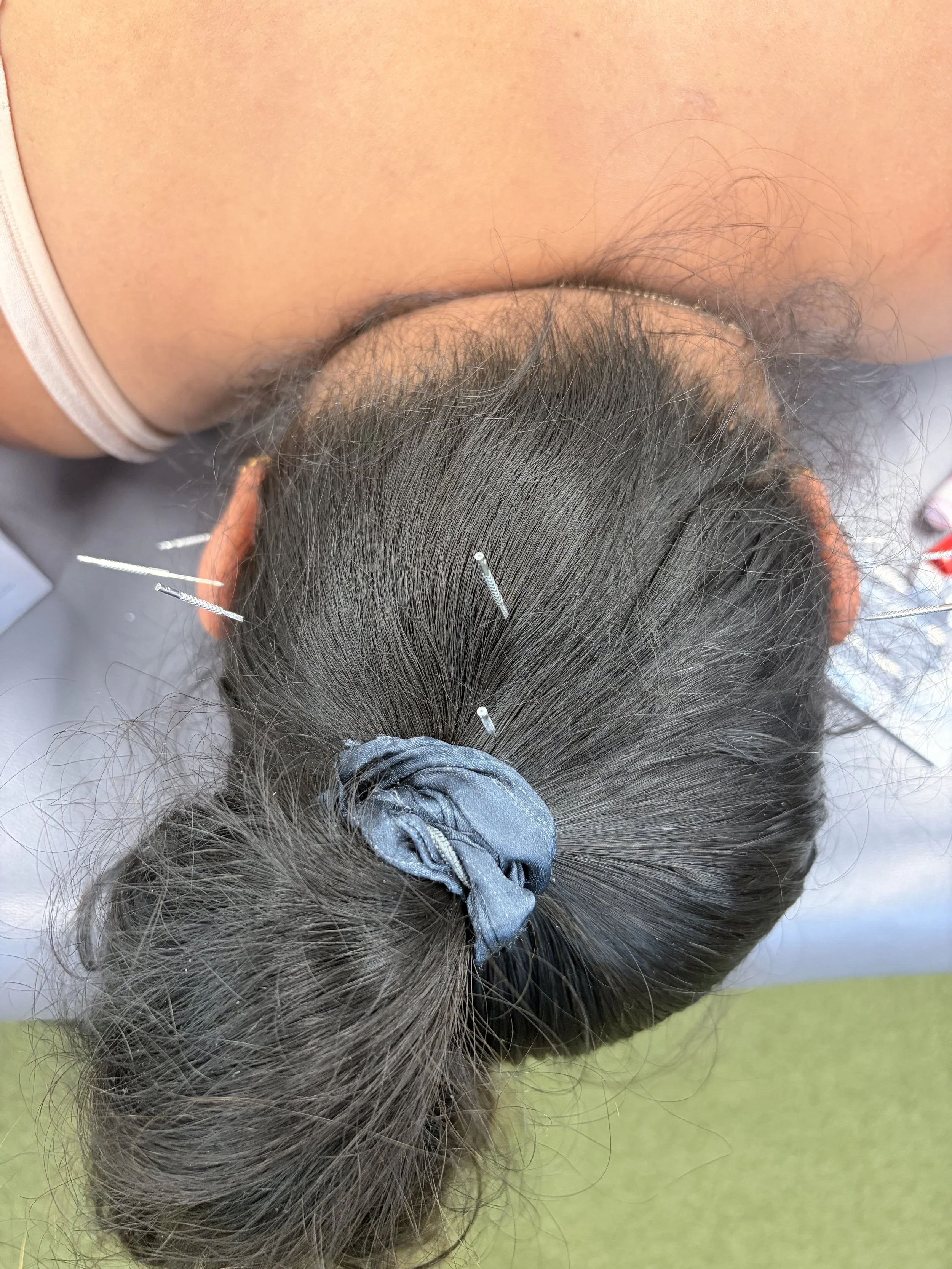
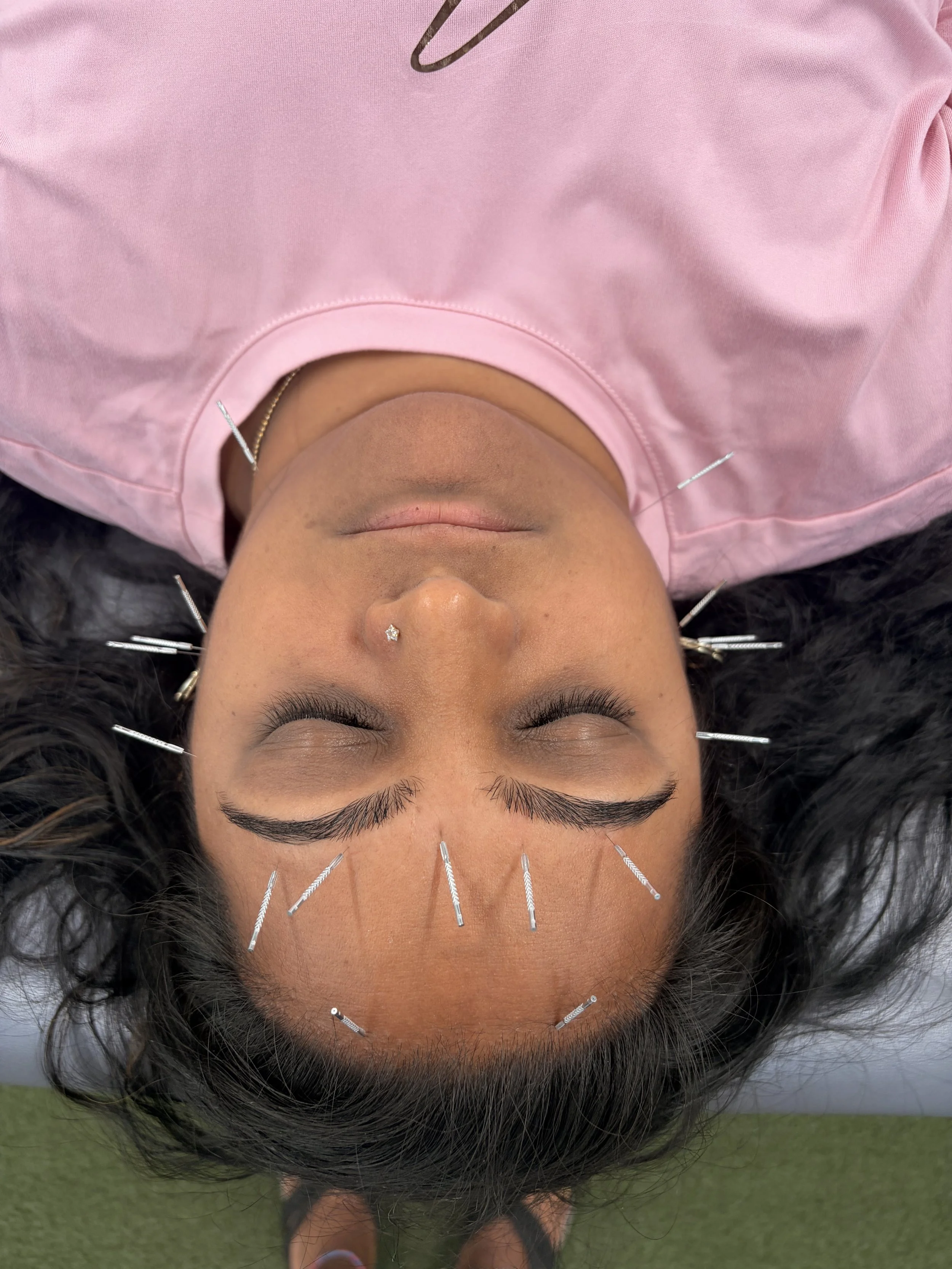
Sessions aimed at nervous system regulation may focus on different areas than pain-specific dry needling, often areas like the head, neck, jaw, lower spine, and pelvic floor, where tension tends to accumulate during chronic stress. Your provider may also combine these specific areas with your painful or dysfunctional areas for more effective treatment. In addition, your session may also include breathing exercises and/or mindful stretching for even more nervous system resetting.
Additioinal Considerations
Dry needling isn't a replacement for addressing the underlying sources of stress in your life, and it's not a mental health treatment. Think of it as one tool that may help your body find its way back to a calmer baseline, especially if it’s combined with other tools like movement, sleep, and stress management.
Frequently Asked Questions
Can dry needling help with anxiety? Dry needling isn't a treatment for anxiety as a mental health condition, but some people notice their body feels calmer and less physically tense after sessions, which can be a helpful complement to other forms of treatment.
How will I know if it's working? Many people notice differences in sleep quality, muscle tension, or an overall sense of ease in the days following a session. If you wear a fitness tracker, begin to track your heart rate variability (HRV), breathing pattern, sleep score, or heart rate for any changes over time.
Is this different from a typical dry needling session for pain? The technique is similar, but the focus and areas treated may differ depending on your goals. This form of treatment can also be used alongside a typical dry needling treatment or physical therapy session.
What other questions do you have?
If you’re new here, I’m Dr. Kenael Segal, PT, DPT, and I’m certified in dry needling (cert. DN), treating general orthopedic conditions and pelvic floor dysfunction in New Jersey.
This article is for general educational purposes and isn't a substitute for individualized medical or mental health advice. If you're experiencing significant stress, anxiety, or nervous system symptoms, talk with a qualified provider about the right care for you.
Are you looking for a nervous system reset? Book a free consultationwith Dr. Kenael Segal to see if dry needling is right for you.