What Is Dry Needling? A Beginner's Guide
If you've been dealing with muscle pain, tightness, or nagging discomfort that hasn't responded to stretching or rest, you may have heard of "dry needling” as a potential solution. It's becoming a go-to tool for pain management, but a lot of people aren't sure what it is or how it differs from acupuncture.
Keep reading to find out what dry needling is, how it works, and if you might benefit from it.
How Dry Needling Works
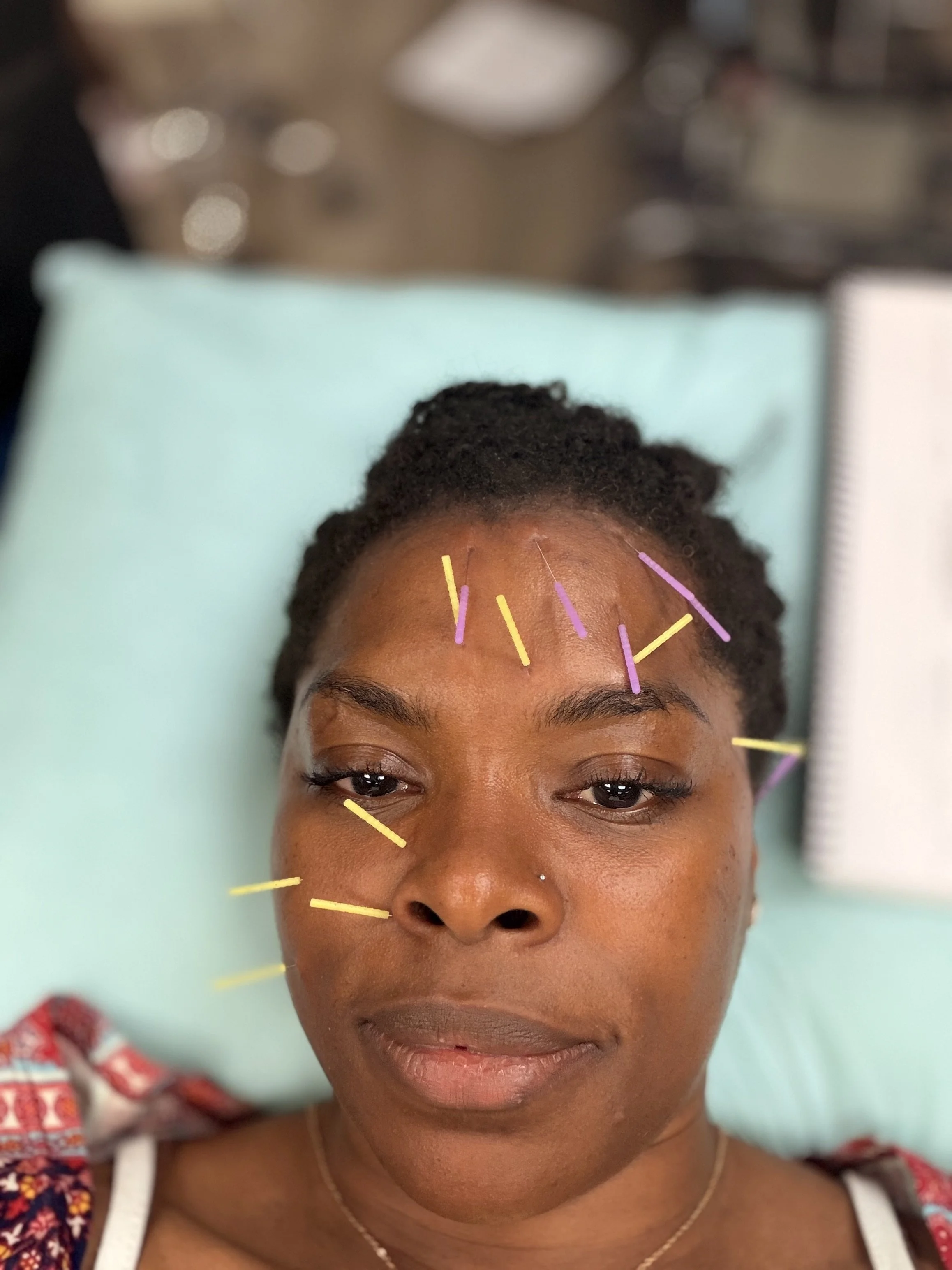
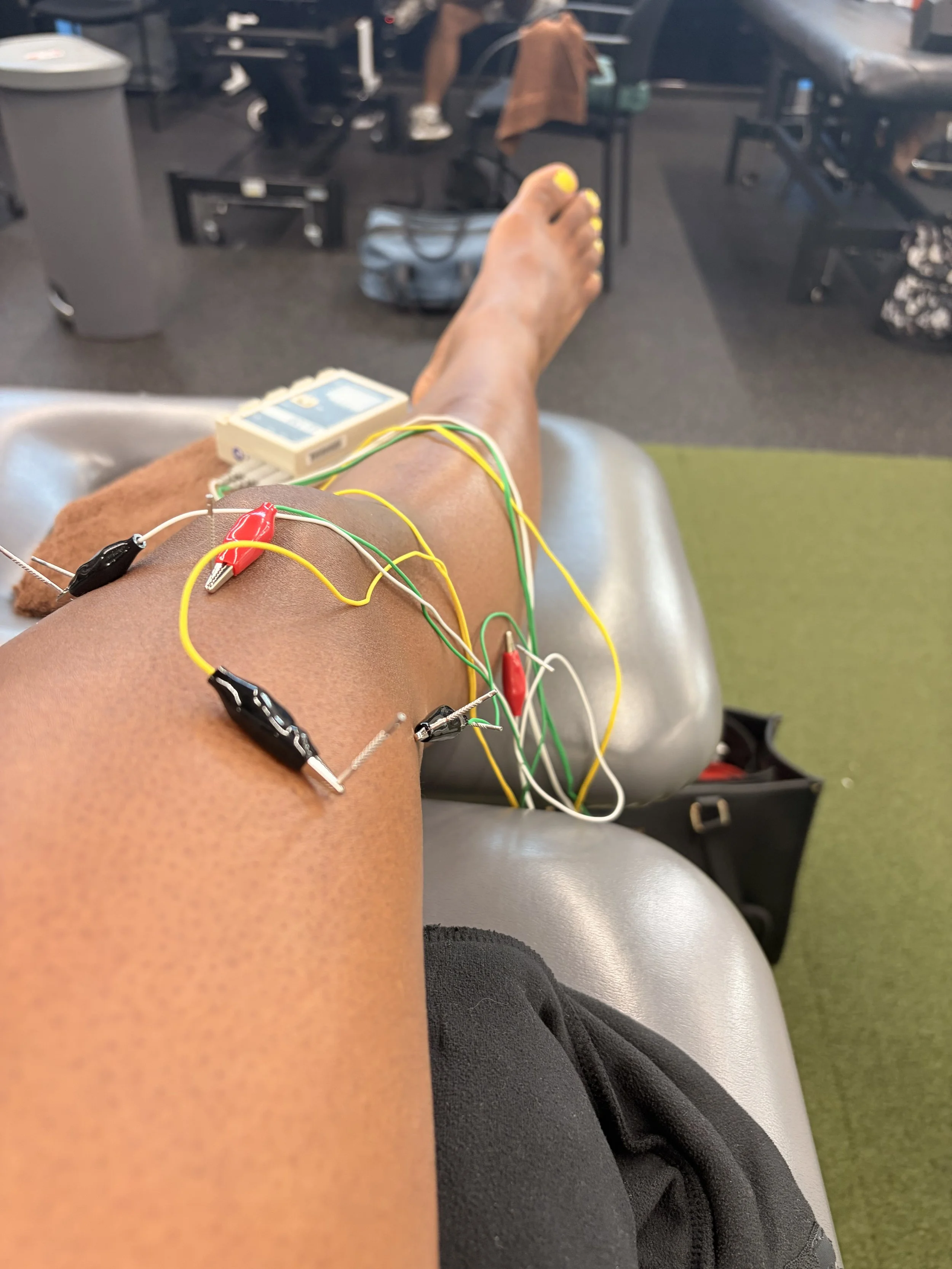
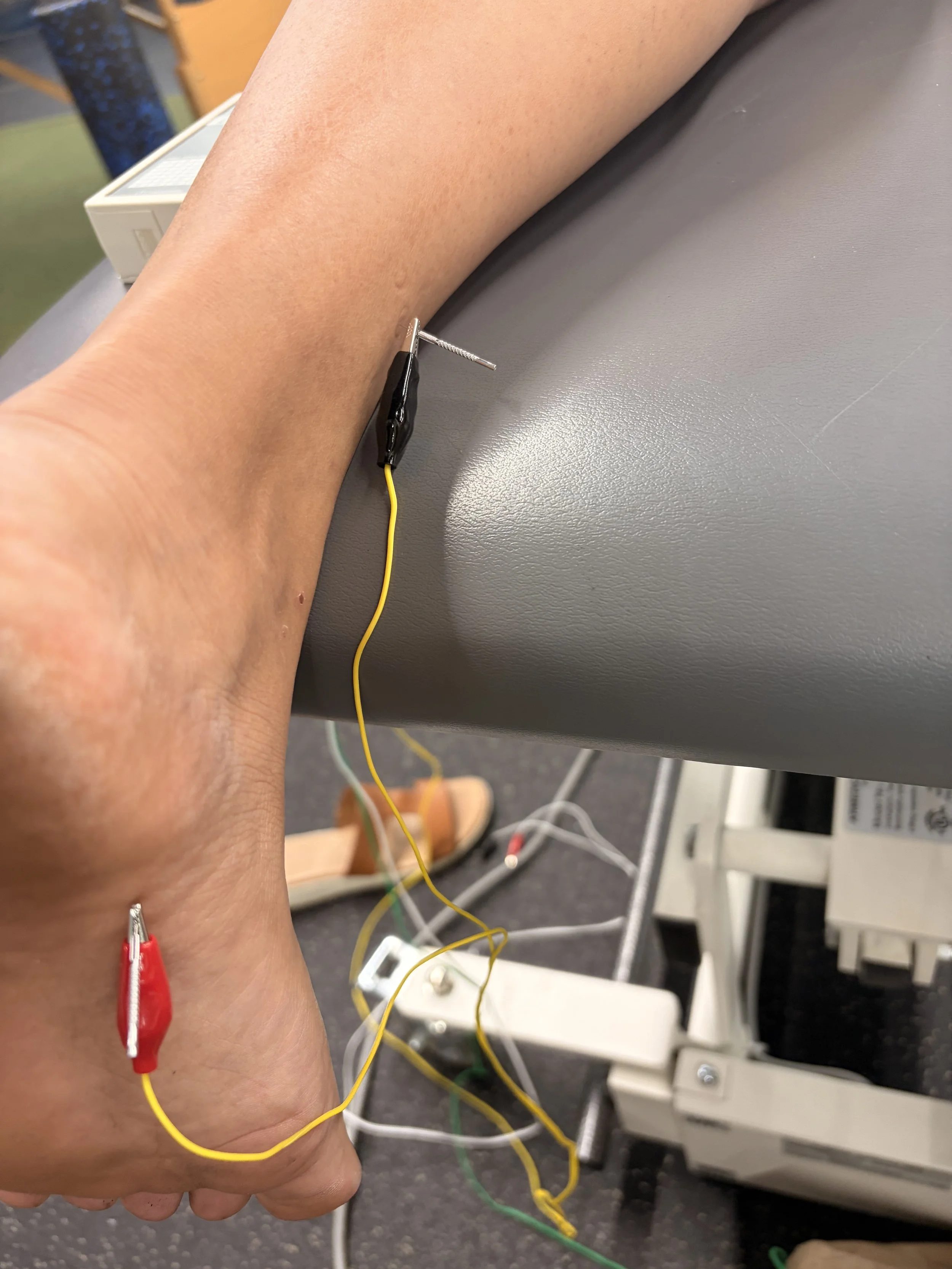
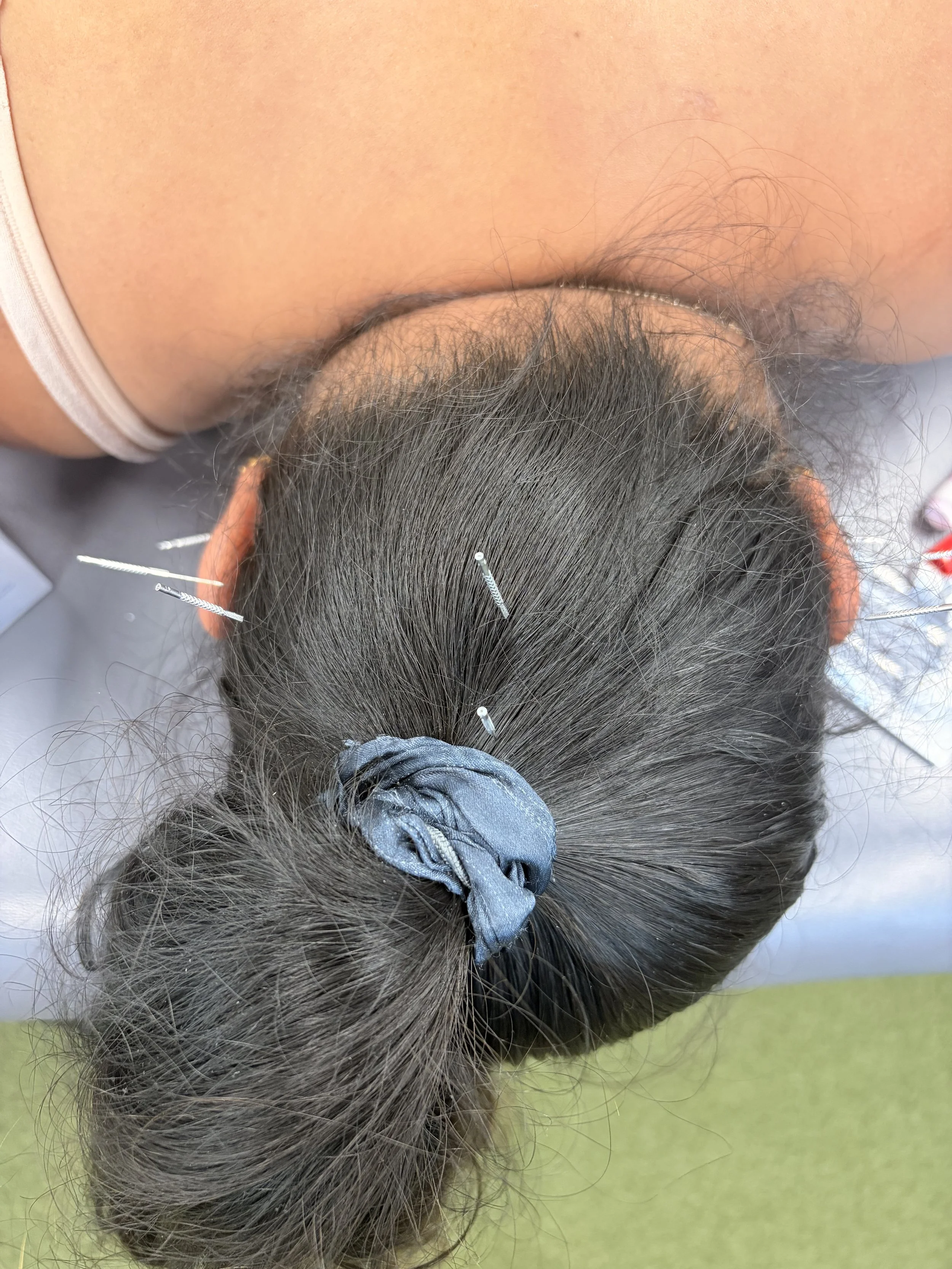
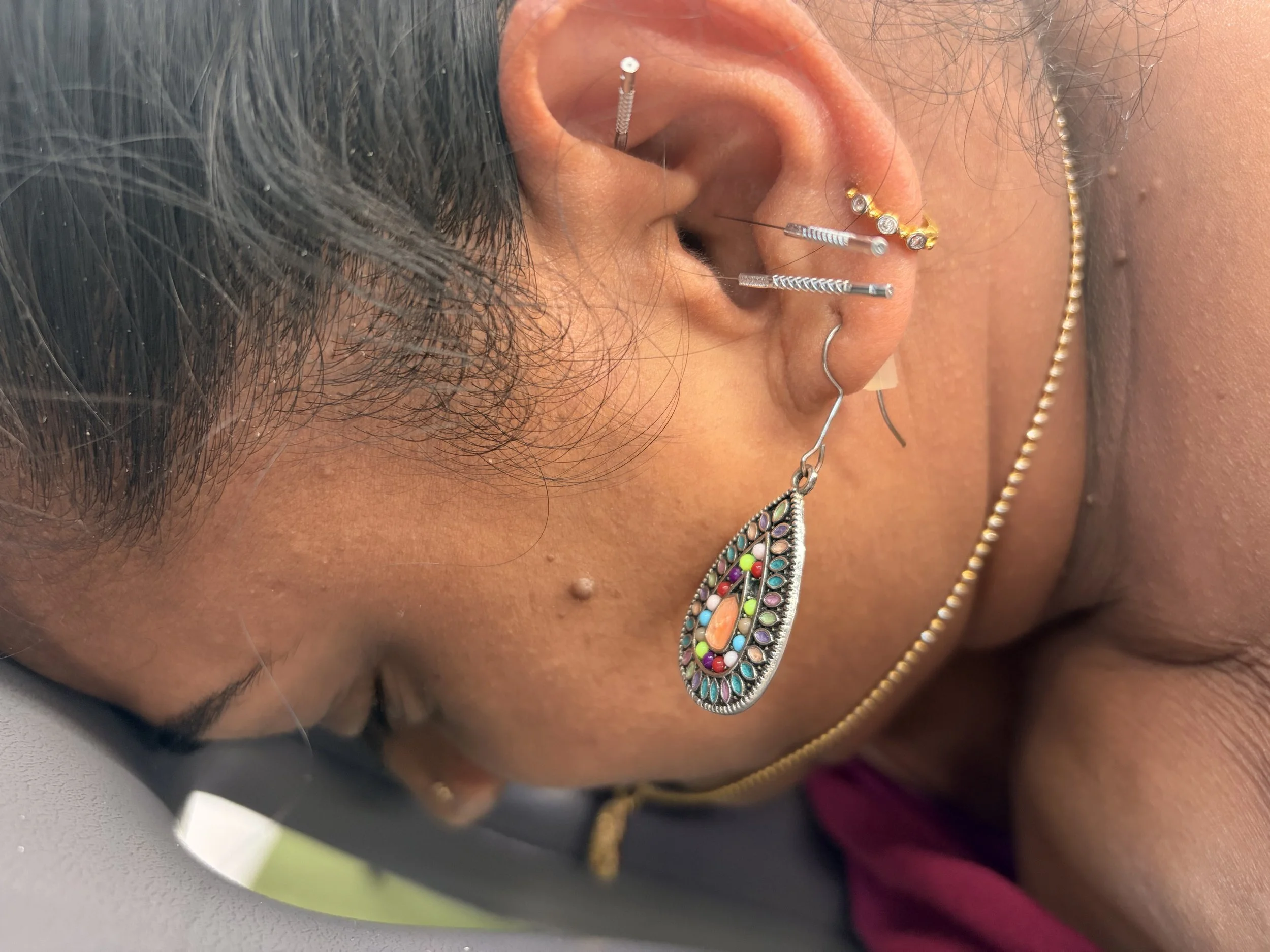
Dry needling uses thin, sterile, single-use needles (the same type used in acupuncture, actually) inserted directly into a muscle, tendon, or ligament at or around the source of your pain or dysfunction. The goal is to release muscle tension, improve blood flow to the area, and interrupt the pain signals your nervous system is sending.
Many people feel a brief muscle twitch or cramp when the needle reaches the right spot in a muscle. This is actually considered a good sign. It typically means the muscle is releasing, but it is not necessary to for a twitch to occur for a muscle to release.
Dry Needling vs. Acupuncture
Both methods use the same tools, but the approach is very different. Acupuncture is rooted in Traditional Chinese Medicine (TCM) and focuses on energy pathways, or meridians, throughout the body. Dry needling is based on Western anatomy and neuroscience. Although some of the locations for needling may correspond to acupuncture points, dry needling targets specific musculoskeletal structures based on your symptoms, movement patterns, physical assessment, and goals.
What Can Dry Needling Help With?
Dry needling is often used as part of a broader treatment plan for:
Muscle tightness, tension, or spasms
Chronic and acute pain
Restricted range of motion
Tension-related headaches
TMJ
Nervous system regulation (downshifting from a "fight or flight" state)
Pelvic floor dysfunction
Constipation and incontinence (fecal and bladder)
Scar tissue pain and remodeling
Diastasis recti abdominis (DRA)
It's important to note that dry needling is great as a tool, but as with anything else, it tends to work best when combined with traditional physical therapy modalities such as movement, manual therapy, lifestyle and behavioral changes, etc.
What Does a Session Feel Like?
If you’ve ever had an injection, a body piercing, or a tattoo, the feeling is quite familiar, maybe even tolerable. Most people describe a quick pinch on insertion, followed by a dull ache, pressure, or muscle twitch response. As someone who has experienced many forms of needle insertions, and even a former trypanophobic (person who is afraid of needles), it’s pretty tolerable. It’s not uncommon to feel some soreness afterward, similar to how you may feel after a therapeutic massage or cupping. It is also possible to feel worse at times, again, not very uncommon in the physical therapy space. It does not mean something is wrong or the treatment is not working. It means the nervous system and your body are readjusting. This is a good sign, and you will typically feel better within a day or so.
Is Dry Needling Right for You?
Dry needling isn't one-size-fits-all and it'’t appropriate for everyone, as is the case with many modalities. Special precautions must be taken for those with certain blood conditions, taking certain medications, or who are pregnant. And dry needling may not be appropriate at all. An inquiry or proper assessment with a certified provider is the best way to find out if it’s an appropriate tool for you. Not all physical therapists are certified to use dry needling as a modality, but most physical therapists who provide this service must be certified or, at the very least, trained. Check with your specific state for the laws around this. In New Jersey, physical therapists must be certified, receiving the standard training on the full body plus advanced training in special conditions or techniques.
For example, I have training in both upper and lower extremities, including the spinal, face and head, as well as advanced training in treating pelvic floor conditions and nervous system regulation.
Frequently Asked Questions
Does dry needling hurt? Most people feel some discomfort, especially with the twitch response, but it's usually brief. Sensitivity varies by person and by location.
How many sessions will I need? This depends on the condition being treated and how your body responds. Some people notice a difference after one session; others benefit from a short series combined with other treatments. Some conditions require more extended treatment or regular maintenance.
Is dry needling covered by insurance? Not usually. Some physical therapists will charge a separate cash rate for this service, even if they accept insurance. Other therapists, like myself, may include dry needling as part of a cash-pay physical therapy service.
What other questions do you have?
If you’re new here, I’m Dr. Kenael Segal, PT, DPT, and I’m certified in dry needling (cert. DN), treating general orthopedic conditions and pelvic floor dysfunction in New Jersey.
This article is for general educational purposes and isn't a substitute for individualized medical advice. Talk with your provider about whether dry needling is appropriate for your specific condition.
Ready to learn more? Book a free consultation with Dr. Kenael Segal to see if dry needling is right for you.