A C-section is major abdominal surgery, and the incision is only the most visible part. Beneath the skin, layers of fascia, muscle, and connective tissue were cut and repaired. As those layers heal, scar tissue can form in ways that leave the area tight, numb, sensitive, or stuck to the tissue underneath. For many postpartum parents, this contributes to pulling sensations, core weakness, back or hip pain, and even pelvic floor symptoms long after the incision has healed within the 6-8 weeks window.
Therapeutic ultrasound is one tool a pelvic floor physical therapist might use to support tissue healing and scar mobility. Like most things in postpartum rehab, it works best as one part of a bigger plan, alongside manual therapy, mobility, education, nutrition and other lifestyle habits.
Why C-Section Scars Can Cause Lingering Problems
Scar tissue is built from collagen laid down quickly during healing. It's often denser and less organized than the tissue it replaces, and it can adhere to the layers around it. After a C-section, this can show up as:
A tight, pulling, or "shelf-like" feeling above or around the scar
Numbness, tingling, or heightened sensitivity near the incision
Restricted movement through the abdomen, hips, or low back
Difficulty engaging the deep core
Pelvic floor tension or pain, since fascia connects the abdominal wall and pelvic region
Discomfort with certain positions, exercise, or intimacy
What Is Therapeutic Ultrasound?
Therapeutic ultrasound is different from the imaging ultrasound used during pregnancy. A handheld applicator delivers high-frequency sound waves into tissue through a layer of coupling gel. Depending on the settings, the sound waves produce gentle mechanical vibration and, in continuous mode, a mild warming sensation.
Potential Benefits for Wound Healing and Scar Tissue
Researchers and clinicians have proposed several ways therapeutic ultrasound may support healing:
Increased local circulation: improved blood flow may bring oxygen and nutrients to healing tissue.
Support for tissue remodeling: ultrasound is thought to influence how collagen is laid down and organized, which may help scar tissue become more flexible over time.
Improved tissue extensibility: when thermal settings are used, warmed tissue tends to respond better to stretching and manual techniques, making hands-on scar work more effective.
Reduced inflammation and swelling: nonthermal (pulsed) settings may help calm lingering inflammation around the incision.
Comfort: many people report that the area feels less tender and tight afterward, which can make it easier to tolerate scar massage and movement.
What the Research Says
The evidence for therapeutic ultrasound in wound healing and scar management is mixed and still developing. Some studies suggest benefits for tissue healing and mobility, while others show modest or inconsistent effects, and research specific to C-section scars is limited. Many clinicians use it as a supportive tool because it's low-risk when properly applied and complements other treatment modalities like dry needling or manual therapy. It shouldn't be positioned as a stand-alone cure, and results vary from person to person.
When Is It Appropriate?
Timing and screening matter. Scar treatment generally begins only after:
The incision is fully closed, with no open areas, drainage, or signs of infection
Your surgeon or OB has cleared you for hands-on scar work (often around the six-week postpartum visit, though your provider will guide timing)
Therapeutic ultrasound is typically not used over areas with signs of infection, active wounds, or in certain medical situations, which is why a thorough screening comes first. Because it's a physical therapy modality, it should be applied by a trained provider.
How Ultrasound Fits Into a Complete Scar Care Plan
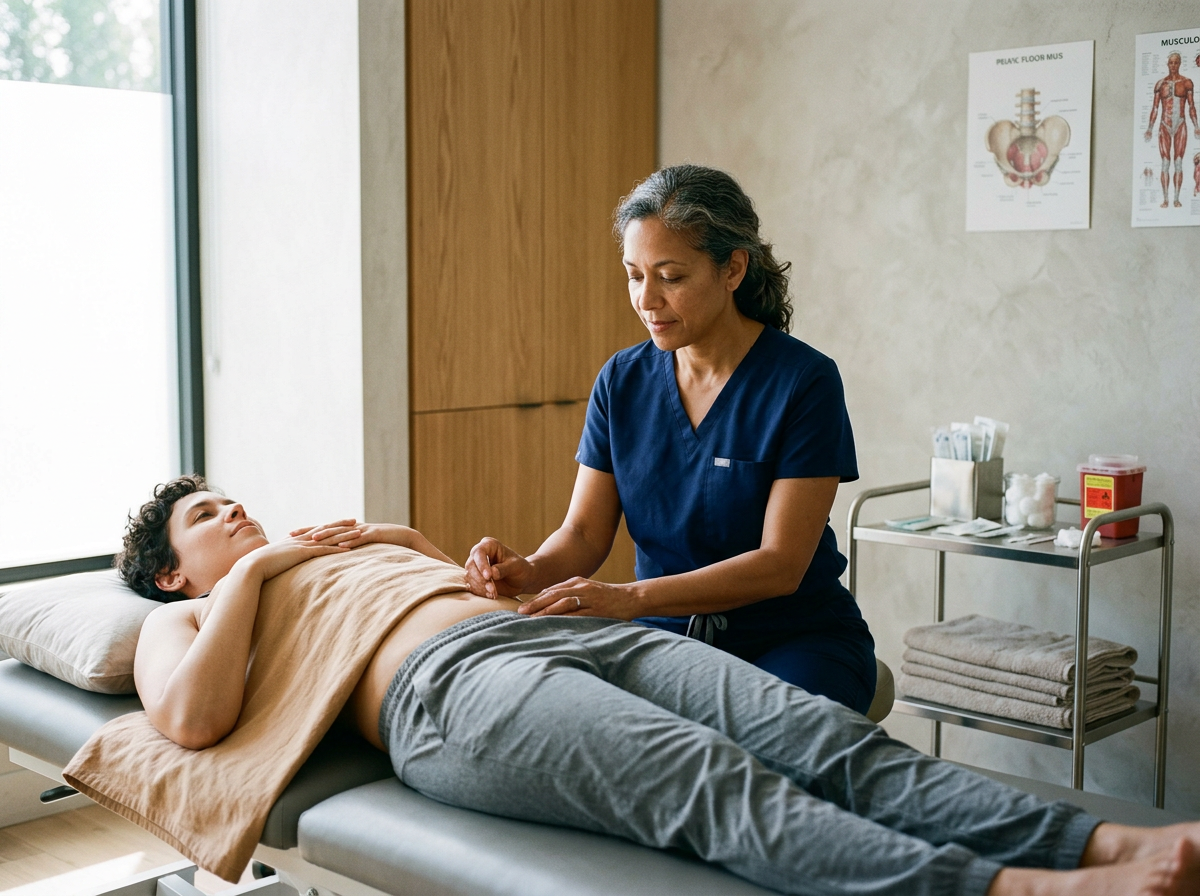
Ultrasound rarely works alone. A comprehensive postpartum treatment plan may include:
Manual therapy: myofascial release (MFR) and soft tissue mobilization (STM) to improve gliding between tissue layers
Desensitization: gradually reintroducing touch and texture to reduce hypersensitivity
Dry needling or microcurrent: for mature scars and associated trigger points, when appropriate
Breathing and core retraining: diaphragmatic breathing and gentle progressive core and pelvic floor work
Education and home program: self-massage once cleared, positioning tips, and activity guidance
Pelvic floor assessment: since scar restrictions and pelvic floor tension are so often linked
What a Session Might Look Like
Every treatment is individualized, but a visit often includes an assessment of the scar and surrounding tissue, followed by ultrasound applied over and around the scar with gel for a few minutes using conservative settings. Manual scar work and movement or breathing retraining usually follow while the tissue is most receptive. You'll leave with a short, what I call “self-care,” home program to follow up with between visits with your therapist.
Frequently Asked Questions
How long after a C-section can I start scar treatment? Most providers wait until the incision is fully healed and your surgeon has cleared you. Your provider will tell you what's appropriate for you.
Can I treat an old C-section scar? Yes. Even scars that are years old can often become more mobile and less sensitive with the right approach. I’ve worked with 20+ year old scars with improvement of symptoms.
Does it hurt? Ultrasound itself is usually comfortable, with mild warmth or gentle vibration. Hands-on scar work can feel intense at times, but it shouldn't be sharply painful.
Will ultrasound make my scar disappear? Not directly. The goal is function, meaning better mobility, less pain, and improved comfort, rather than erasing the scar. The appearance of the scar may gradually fade over time, however, but this is largely based on treatment and genetics.
This article is for general educational purposes and isn't a substitute for individualized medical advice. Get clearance from your surgeon or OB before beginning scar treatment, and contact your provider promptly if you notice redness, warmth, drainage, or worsening pain at your incision.
Wondering if your C-section scar is affecting your recovery? Schedule a consultation with Dr. Kenael.