Scar Tissue Management: In-Clinic Techniques and At-Home Tips
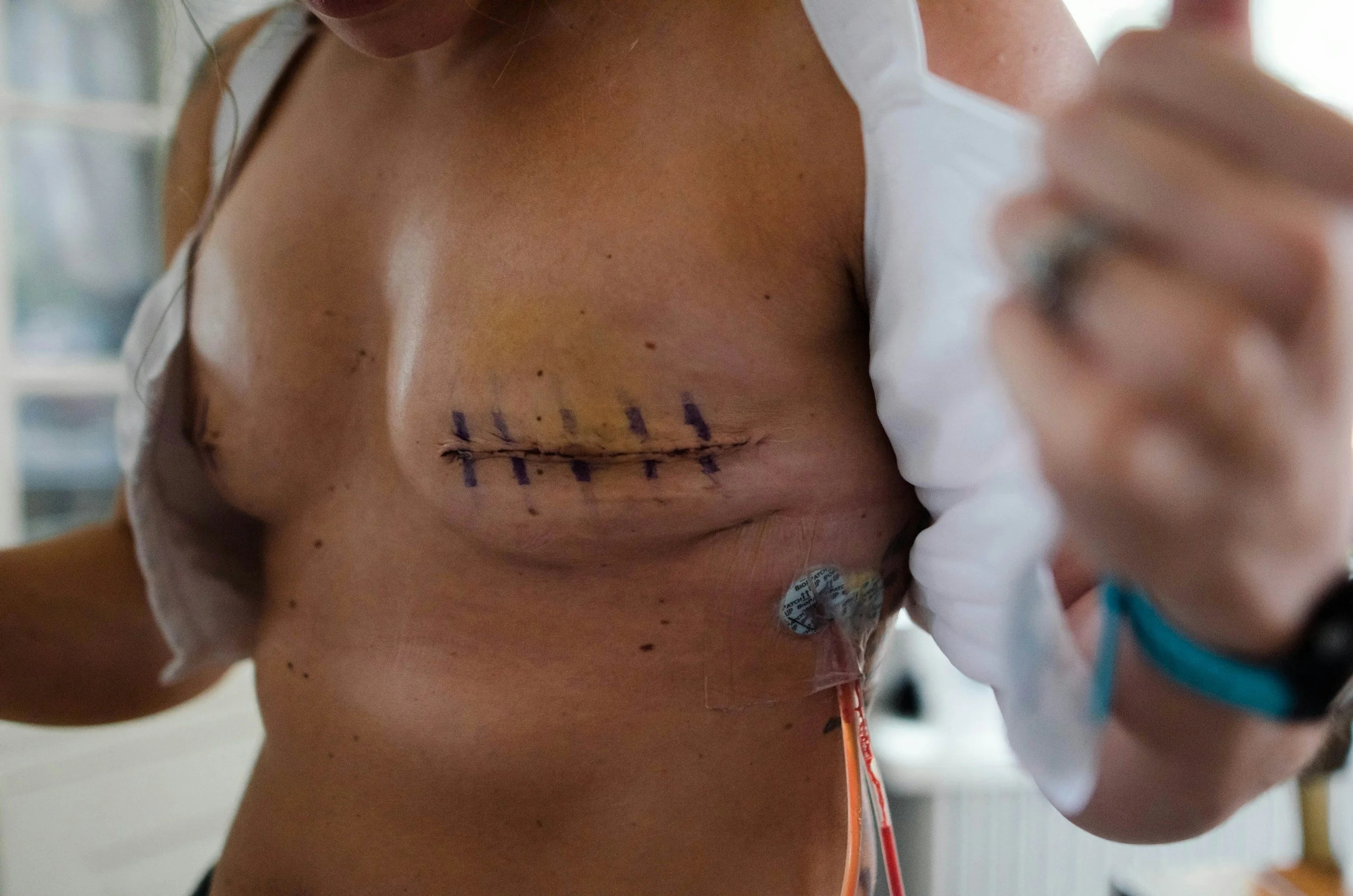
Scars don't just affect the way skin looks — they can affect how tissue moves, how nerves fire, and how surrounding muscles function. A scar from a C-section, abdominal surgery, episiotomy, jaw surgery, or even an old injury can restrict mobility, contribute to pain, and in some cases feed into the same trigger point and referred pain patterns discussed in previous blog posts. The good news is that scar tissue often responds well to targeted treatment, especially when addressed early and consistently.
I know this from personal and professional experience.
Why Scar Tissue Causes Problems
As skin and deeper tissue heal after surgery or injury, the body lays down new collagen fibers to close the wound. Unlike healthy tissue, scar tissue tends to form in a denser, less organized pattern, and it can adhere to the layers beneath it, including muscle, fascia, or even organs. This can lead to:
Restricted movement in the area around the scar
Pulling or tightness with certain positions or movements
Numbness, heightened sensitivity, or an unpleasant "electric" feeling near the scar
Referred tension into nearby muscle groups, including the pelvic floor or jaw depending on scar location
Reduced blood flow and lymphatic drainage in the area
In-Clinic Techniques for Scar Management
A comprehensive approach to scar tissue typically draws from several techniques, often combined within a single treatment plan.
Myofascial Release
This hands-on technique addresses the fascia, the connective tissue web that surrounds muscles and organs. Myofascial release (MFR) uses slow, sustained pressure to help release restrictions and improve the way tissue layers glide against each other, which is often disrupted around a scar.
Soft Tissue Mobilization
More targeted than general myofascial work, soft tissue mobilization involves direct manual techniques on and around the scar itself to soften adhesions, improve tissue mobility, and encourage more normal movement patterns in the surrounding area.
Desensitization
Scars, especially newer ones, are often hypersensitive to touch, temperature, or pressure. Desensitization techniques gradually reintroduce different textures and sensations to the area, helping retrain the nervous system's response and reduce that heightened sensitivity over time.
Microcurrent Therapy
Microcurrent uses very low-level electrical currents to support tissue healing and may help reduce inflammation and discomfort around a scar. It's often used as a complementary tool alongside manual techniques rather than as a standalone treatment.
Dry Needling
Dry needling can be used around (and in some cases directly into) mature scar tissue to help release adhered layers, improve local blood flow, and reduce trigger points that have formed in response to the altered movement pattern the scar created. This is typically introduced once a scar is fully healed and no longer in an active healing phase.
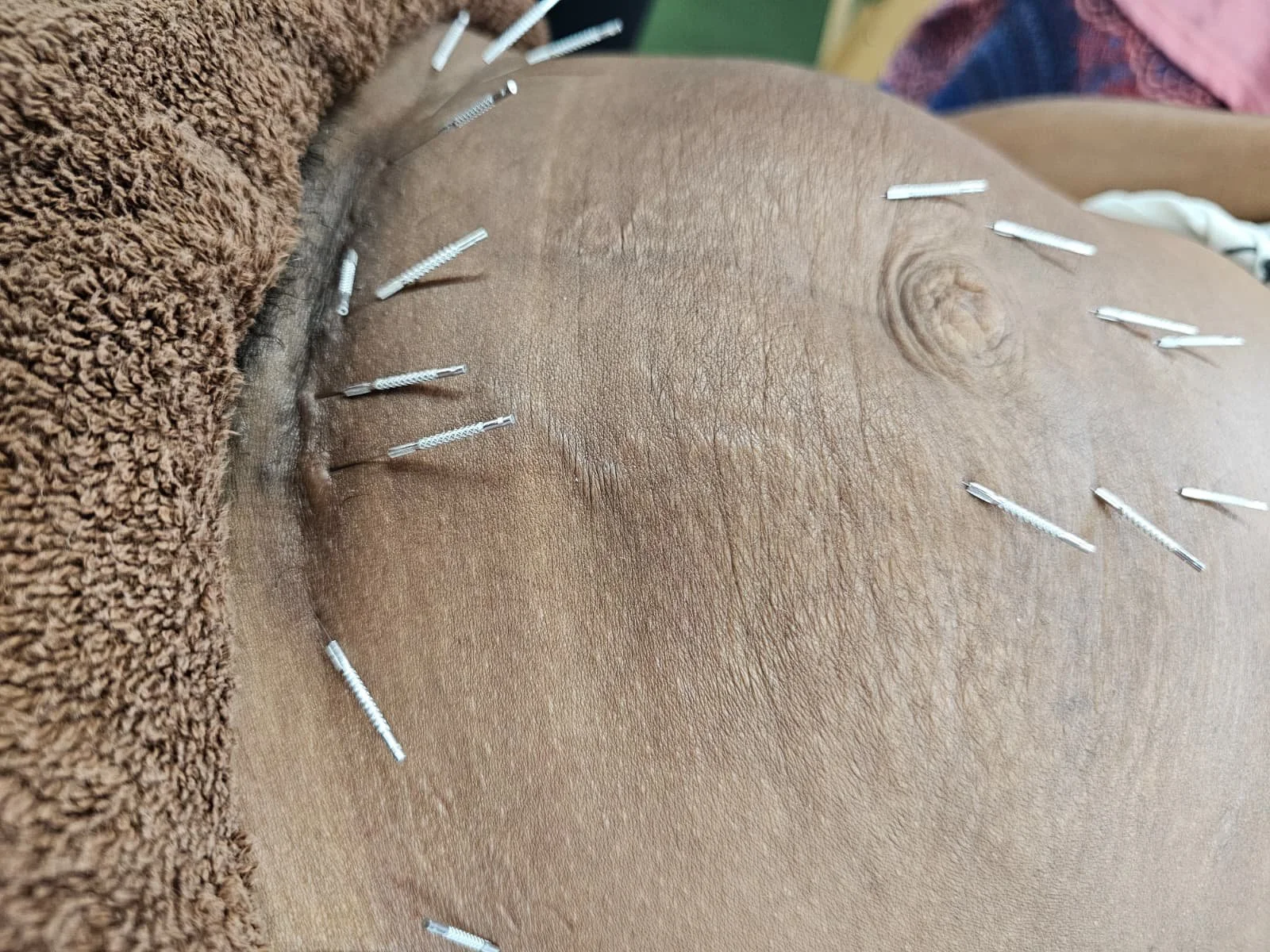
Here’s my 7 year old scar that I still work on and get worked on, almost daily!
When to Start Scar Treatment
Timing matters. Techniques and intensity are adjusted based on how healed the scar is:
Early phase (once fully closed, no open areas, and cleared by your surgeon): gentle desensitization and light mobilization
Maturing phase (several weeks to months out): progressively more targeted soft tissue and myofascial work
Mature scars (many months to years old): deeper techniques, including dry needling, are often more appropriate. Even old scars frequently respond well to treatment.
It’s recommended to get clearance from your surgeon or physician before beginning any hands-on scar work, especially in the early weeks after a procedure.
At-Home Scar Management Tips
Between sessions, a few simple techniques can support your progress. These are general starting points and your provider can tailor specifics to your particular scar and healing stage.
Breathing
Diaphragmatic (belly) breathing does double duty: it helps calm a nervous system that may be guarding around the scar, and for abdominal or pelvic scars specifically, it gently mobilizes the tissue with each breath. Try lying down with one hand on your belly, breathing slowly so your hand rises and falls with each breath, several times a day. Try it for 2 minutes to start.
Soft Tissue Mobilization (Self-Massage)
Once your provider has cleared you for hands-on work, gentle circular massage directly on and around the scar (using light to moderate pressure) can help keep the tissue mobile. Common approaches include:
Small circles directly over the scar
Gently lifting and rolling the skin along the scar line (a "skin rolling" technique)
Pressing and holding on tight spots for a few seconds before releasing
There’s no wrong way of doing this. Start light. Some tenderness is normal, but this shouldn't be so painful you’re bracing and tensing around it. I do this one most often, almost daily. I’m actually doing it while writing this post!
Desensitization
If the scar or surrounding skin feels overly sensitive, numb, or uncomfortable to touch, gradually exposing it to different textures can help retrain that response. Try lightly brushing the area with a few different textures — a soft cloth, then a slightly rougher one — for a minute or two at a time, a few times a day. This is typically most helpful in the weeks to months after a scar has closed.
Some people experience the opposite: loss of sensation and numbness along or around the scar. Manual therapy techniques can still be useful in mobilizing the affected nerves to allow for a return in sensation—although this is not guaranteed, especially for older scars.
Consistency Matters More Than Intensity
Five minutes of gentle daily scar work tends to produce better results than occasional longer sessions. Try pairing it with an existing habit, like after a shower, to help make this more routine. The more you practice scar mobilization, the more you’ll notice when your body is asking for touch and mobilization. You’ll notice an increase in tightness, stretching, pulling, or even itchiness.
Frequently Asked Questions
How old does a scar need to be before treatment can help? There's no expiration date. Even scars from years ago can respond to treatment, though very old, dense scars may take a bit longer to notice significant changes.
Is scar tissue work painful? Some techniques can be uncomfortable, especially early on or with a sensitive scar, but treatment should never be sharply painful. Let your provider know if something doesn't feel right. It’s common to feel sore after treatment as well, but this should improve over time and with each session
Can scar tissue really affect the pelvic floor or jaw if the scar is somewhere else? Yes! Remember, everything is connected. Fascia connects throughout the body; a scar in one area (like a C-section incision) can contribute to tension patterns elsewhere, including the pelvic floor. This is part of why a whole-body evaluation matters.
This article is for general educational purposes and isn't a substitute for individualized medical advice. Always get clearance from your surgeon or physician before beginning scar tissue work, especially in the early stages of healing, and stop any at-home technique that causes sharp or worsening pain.
Have a scar that's affecting your movement, sensation, or pelvic health? Schedule a free consult with Dr. Kenael to see if your scar would benefit from treatment.